
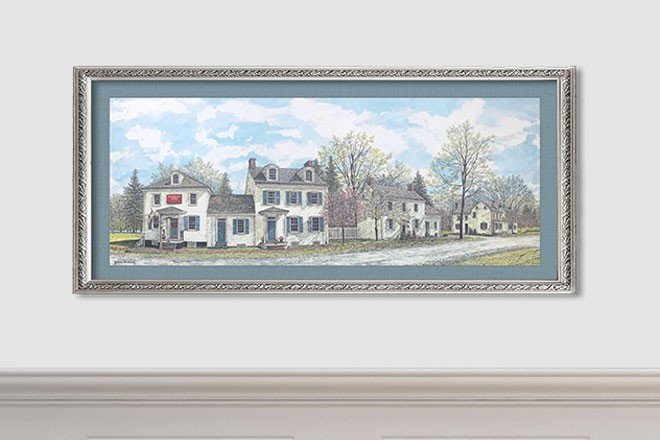
A young couple hung their first framed print in a rented flat, in the gap between the window and the bookshelf where nothing else fit. It cost less than dinner out. They certainly never set out to start an art collection. Ten years later that same print hangs in a hallway they own, with eight or nine others around it, every one bought slowly and for no better reason than that they liked it.
That is how most people start an art collection. Nobody plans it.
You need no expertise here, and no large budget either. A wall, some patience, and one piece that makes you stop walking.
Key Takeaways
Buy What You Love: Your own reaction is the most reliable guide, since you are the one living with the piece.
Start Small: Matted small works fit standard frames, making them the gentlest way to start an art collection.
Signed Prints Come Next: Lithographs carry the artist’s signature, and some are numbered limited editions.
Let the Theme Emerge: Buy a few pieces you like, then notice the thread that connects them.
Protect What You Buy: Keep art out of direct sun and away from damp, and factor framing into the cost.
Ready to start an art collection of your own? You are warmly invited to contact the studio with any questions.
Buy What You Love First
The oldest advice still holds, and it holds because you are the one who has to live with the thing.
Investment talk muddies this badly. Most art is never sold again, and a piece that lifts your mood every morning has already paid for itself. Looking at a lot of art sharpens your eye, certainly, but no critic’s list beats your own reaction standing in front of something.
So pay attention to what you keep going back to. Water? Fields? Birds? A pattern usually shows itself faster than you would expect.
Start Where the Price Is Gentle
Nobody should begin with a purchase that makes them anxious. It sours the whole thing.
Matted small works are the easiest first step, since they slip into a standard eleven by fourteen frame with no custom framing bill lurking behind them.
Signed lithographs come next. These carry the artist’s signature, and the limited editions are numbered too. For a lot of people that first signed print is the moment collecting stops being a word and starts being a thing they actually do.
Then Move Up as You Are Ready
Once a few pieces are up, the next step tends to suggest itself.
Giclées are printed on canvas, and what a giclée print is explains how they are made. Each one arrives gallery wrapped and ready to hang, skipping the framing question entirely, and the studio prints it after you order.
Originals sit above that. Most collectors reach their first one years in, once they know exactly what they love and have stopped second-guessing it. The originals page is worth browsing long before you are ready to buy.
Let a Theme Appear on Its Own
People often ask what their collection should be about, which is a bit like asking what your personality should be about. The theme finds you.
Buy three or four pieces you genuinely like, then stand back and look. Perhaps they are all quiet countryside. Perhaps they are all birds, or all painted in that low, late light. Whatever the thread is, it will feel far more like you than any theme you could have chosen in advance.
It helps the house, too. Related pieces hang together well, which our guide to art for a calm home gets into.
Practical Things Worth Knowing
A few small habits protect both your pieces and your budget.
Keep work out of direct sunlight, because strong light fades paper and paint over the years. Avoid damp walls and unventilated bathrooms. Archival paper and archival inks, used in the lithographs here, hold up very well when treated with a bit of sense.
Framing costs creep up faster than anyone expects, which is exactly why standard sizes and ready to hang canvas make such friendly starting points. Worth reading shipping and returns before you order, so nothing catches you out.
And buy directly from the artist where you can. Fair price, clear provenance, and someone at the other end who can actually answer a question about the painting.
Go Slowly on Purpose
A home fills with art over years, not in an afternoon. Rushing tends to produce pieces you quietly tire of.
One good piece a year adds up quicker than you think. A studio mailing list lets you see new work as it appears, with no pressure attached.
When a particular scene keeps pulling at you, that is your answer. And if it is the place itself that matters most, rather than the picture, a custom commission may suit you better.
Wherever you begin, take your time. Questions are always welcome, so get in touch whenever something catches your eye.
Frequently Asked Questions
How do I start an art collection on a small budget?
Begin with affordable prints rather than originals. Matted small works start at $49 and fit a standard eleven by fourteen frame, while signed lithographs run $75 to $125. Buying one piece at a time keeps the whole process comfortable.
What should I buy first?
Buy the piece you keep coming back to. A print of a scene you love serves you far better than a costlier work chosen for status. Once a few pieces hang together, your taste becomes much easier to see.
Do I need to know about art to collect it?
Not at all. Knowledge grows as you look, and visiting museums or browsing an artist’s work sharpens your eye naturally. Your own response remains the surest guide throughout.
Should I buy prints or originals when starting out?
Prints are the usual starting point, since they cost far less and let you test what you love. Our guide to original paintings and prints covers that choice in full.
How do I care for the art I buy?
Keep pieces out of direct sunlight and away from damp rooms. Archival paper and inks last well when treated kindly. Framing under glass protects paper works, and ready-to-hang canvas avoids the framing question entirely.